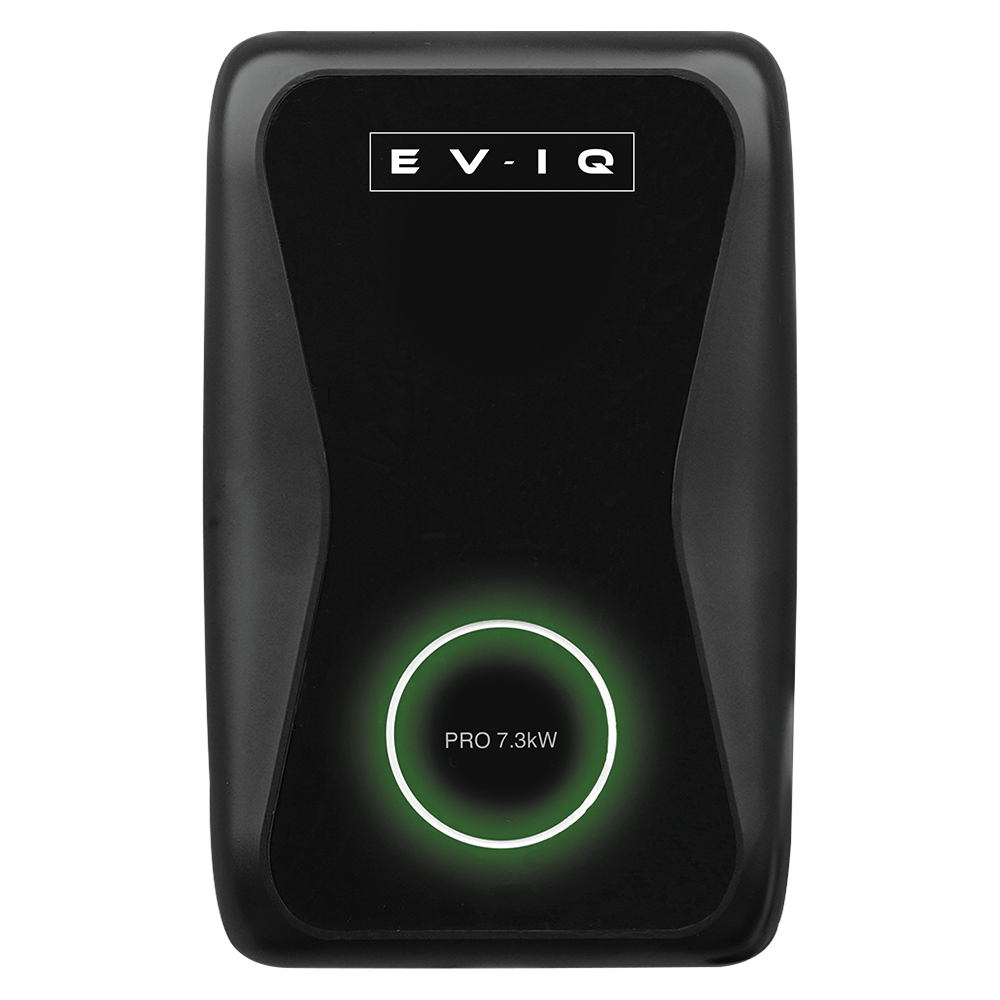

The EV Smart Charger Points Regulation 2021 comes into effect on 30th June 2022 and developers will need to install ‘Smart’ electric vehicle charging points to be compliant with this element of Part-S building regulations.
Housebuilders will no longer be able to install slower 3kW chargers and with no new petrol or diesel cars being sold from 2030, installing smart car charging technology futureproofs increased EV capacity. Furthermore, the installation of gas boilers in new houses comes to an end from 2025 with many household boilers turning to electric. These elements combined will place heavily increased demand on the grid.
The grid closely monitors demand, activating additional generators when required and carefully balancing the quantity of power sourced from wind, solar and fossil fuels. So, if everyone decides to charge their cars simultaneously, this increase in demand could potentially be too great for generators to respond effectively, especially from renewables that are slower to activate. This is where the regulation comes in, with housebuilders only installing ‘Smart’ charging points to avoid spikes in demand.
So what does ‘Smart’ mean?
Firstly, two generic elements specify that all charging points must be able to connect to any electricity supplier. And being smart, running for the most part on WIFI, it must also comply with an existing cyber security standard, ETSI EN 303 645.
Other elements involve the load balancing on the grid.
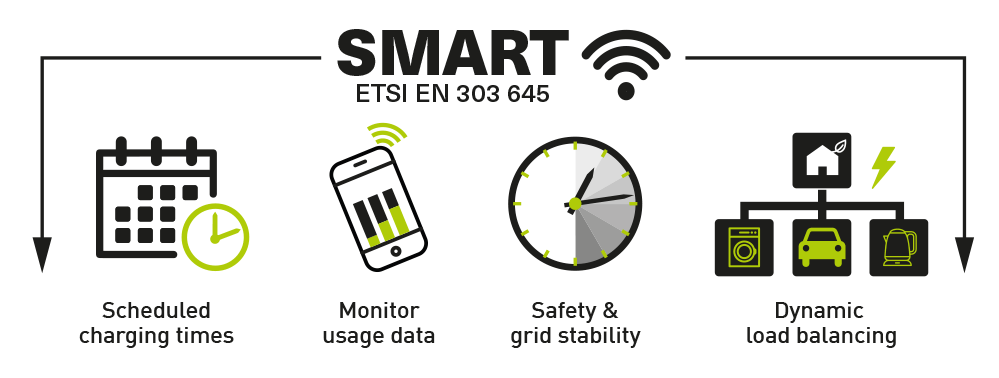
Scheduled charging times
To avoid a spike in demand on the grid, each unit will be pre-set to avoid peak times, namely morning and late afternoon. EV-IQ has an accompanying Electric Miles app giving drivers the ability to schedule EV charging times and override the shut off time if required, however, the government’s intention is that most people will avoid peak times.
Drivers will have functionality at their fingertips through the app to monitor usage, charge times, expenditure and produce reports.
Safety and grid stabilty
The government has mandated functions to help address grid stability concerns. If there is an increase in connectivity at the end of the shutdown period, this could mean a surge in demand to the grid jeopardising its stability. That is where the randomised delay comes in, each unit will automatically delay charging by 10 minutes once it’s plugged in, meaning even if a scheduled start time is 10pm, the charge period won’t begin until 10:10pm. For many, this will not present an issue but is worth bearing in mind especially when trying to make use of lower-cost overnight tariffs.
Dynamic Load Balancing
If a property is drawing too much electricity, the charger will know to turn down the amount of power flowing through it. This may only be for a short time and is unlikely to affect the homeowner but is another measure to prevent surges to the grid.
The EV-IQ 7.3kW Charging Point
GL’s EV-IQ Pro 7.3kW car charger complies with all the Electric Vehicles Smart Charge Points Regulations 2021 and can be installed by the developer’s existing electrical sub-contractors. The sleek design is an all-in-one box solution as it contains an inbuilt 40-amp RCBO, negating the need for an additional Garo Box and has a built-in PME fault detection, meaning no earth spike or additional equipment is required. EV-IQ includes a free CT clamp and the socket is an untethered, universal socket.
GL have been supplying lighting, safety alarms and electrical equipment to the housebuilding industry for over 20 years. GL have a proven history of supply, reliability and an established route to market and has a dedicated, ring-fenced stock of EV-IQ for developers.
To talk to us about EV charging solutions contact us on 01905 610200 or sales@gl-e.uk